
The Difference Between a Brand and a Business
Anyone can start a business. Not everyone builds a brand. Here's what separates the two, and why the distinction determines your longevity.
A Business Sells. A Brand Means Something.
A business is transactional. It offers a product or service, fulfills an order, & moves on. There's nothing wrong with that, but it's also nothing memorable. A brand, on the other hand, carries meaning beyond the transaction. It has a point of view, a visual language, a voice, a set of values that people can feel before they even make a purchase.
People don't develop loyalty to businesses. They develop loyalty to brands.
The Difference
A business waits to be found. A brand creates the conditions to be sought out.
When your brand is clearly defined, when it communicates who it's for, what it stands for, & why it exists... the right clients find you with a level of conviction that no cold pitch could manufacture. They arrive already believing. Already aligned. Already sold on something deeper than the service itself.
That's not marketing. That's brand equity.
You Can Copy a Business. You Can't Copy a Brand.
A competitor can replicate your service offering, your pricing, even your aesthetic. But they cannot replicate the meaning your brand has built over time. That meaning, the feeling people get when they encounter your brand, is your most defensible asset.
How To Know Which One You Have
Ask yourself: if your business disappeared tomorrow, would your audience feel a genuine loss? Or just look for the next option? If the answer is the latter, you have a business. If the answer is that they would feel a genuine loss, you're building a brand.
The goal isn't to stop being a business. It's to become something people can't imagine replacing.
Build the brand first. The business will follow.
Read more

Getting followers is the easy part. Turning them into a client or customer is where most brands get stuck. The gap between someone discovering your brand & actually paying for it isn't filled ...
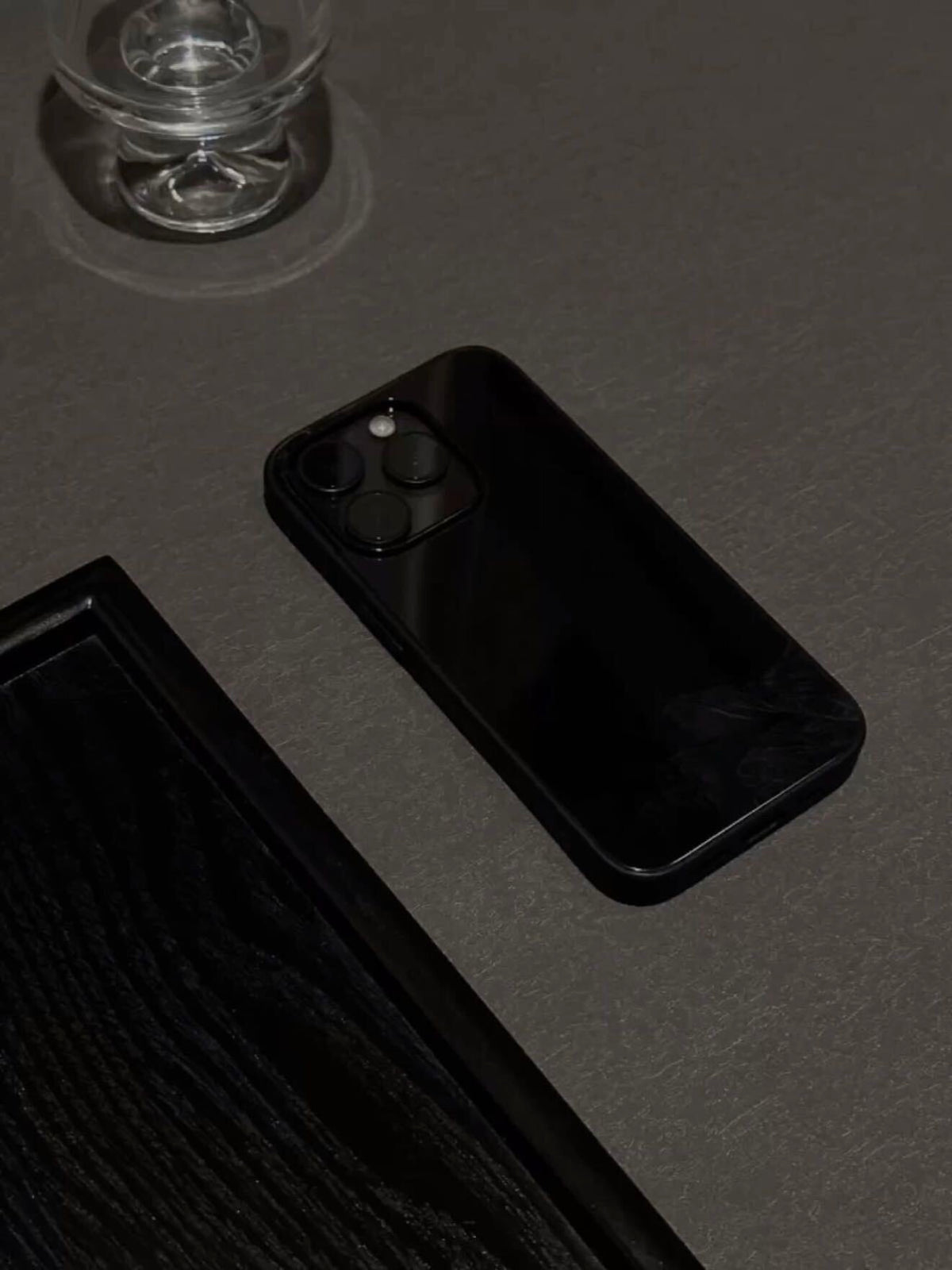
Luxury brands don't chase trends, compete on price, or beg for attention. And yet they command the most desire, the most loyalty, & the most presence. That is not an accident. That is strategy...